
Have you ever confidently said, “Oh yeah, I know how to do that” — only to discover moments later that you absolutely do not?
I have. More times than I’d like to admit.
Every time I declare my competence at something, life has this uncanny ability to respond with a polite yet devastating, “Are you sure?” And then it proceeds to humble me. Efficiently. Often in front of witnesses.
That’s when I learned one of life’s most important truths: Most things look incredibly simple until you actually try them. And when you do, you quickly realize there’s always more than meets the eye.
The Trap of “This Looks Easy”
We’ve all heard the saying, “Don’t judge a book by its cover.” It’s excellent advice. The irony? It’s exactly how most of us judge everything.
Restaurants. People. Netflix shows. And especially anything labeled “easy for beginners.”
When something claims to be easy, we believe it. Emotionally. Confidently. Incorrectly.
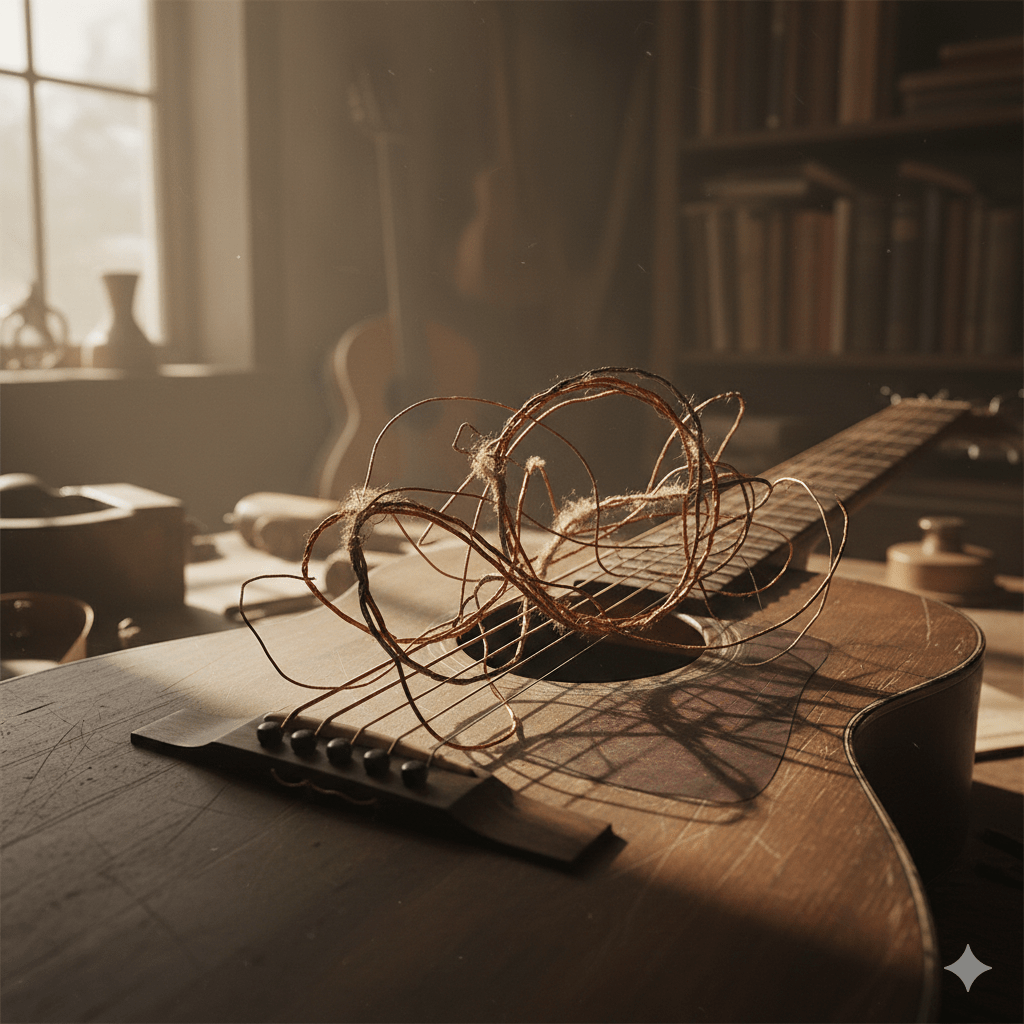
That misplaced confidence is precisely what led me to pick up a guitar.
My Guitar Lesson in Humility
I watched someone casually strumming away, smiling, completely in their element. They made it look effortless, almost meditative. Naturally, I thought, “This looks easy. I could totally do that.”
Big mistake.
Five minutes into my first attempt, my fingers were screaming in protest, the strings seemed to be actively fighting back, and the guitar itself just lay there in my lap, silently judging my life choices.
When I finally managed to form my first chord, I felt like a musical genius. Like talent had just walked into the room and decided to stay awhile.
Then my instructor said those fateful words: “Great. Now switch to the next chord.”
Switch? To what? My fingers were still in a committed, exclusive relationship with that first chord. They had no interest in seeing other positions.
That’s when I realized: guitar isn’t just music. It’s finger yoga mixed with mathematics and a generous helping of emotional damage.
The “Very Simple” Lie
Every tutorial, without fail, starts the same way: “This is very simple.”
That sentence should come with a warning label. A disclaimer. Maybe a liability waiver.
Because within seconds, you’re drowning in chord charts, strumming patterns, and something mystical called “muscle memory” that apparently takes months to develop but is explained to you in a breezy 20-second overview.
That’s the moment of clarity. What looked simple from a distance suddenly reveals layers of complexity you never saw coming.
There’s always more than meets the eye.
People Are Puzzles Too
This phenomenon isn’t limited to learning new skills. It happens with people all the time.
You meet someone quiet and reserved, and your brain immediately categorizes them: “Ah, classic introvert.”
Two weeks later, you discover they do karaoke. Loudly. Voluntarily. On weekdays.
Suddenly your entire assessment crumbles, and you’re left thinking, “Wait… there’s more than meets the eye here.”
Or consider those people who always appear calm and collected. The ones who seem to have life completely figured out while the rest of us are just winging it.
Here’s the truth: they don’t have it figured out.
They’ve simply mastered the art of panicking internally while maintaining an external facade of serenity. Their text messages all end with “All good 😊” while internally they’re screaming.
That’s not calmness. That’s professional-level acting. Oscar-worthy performance art.
Once again — more than meets the eye.
The Real Story Behind Confidence
We see confident people and assume they were born that way. That they just naturally possess this magical ability to speak smoothly and handle pressure with grace.
Wrong.
They’ve simply failed publicly enough times that fear eventually got tired and left.
Behind every confident person is a long, painful history of awkward pauses, forgotten lines, stumbled words, and that one mortifying moment they still replay in their head at 2 a.m.
Confidence isn’t born. It’s built. Brick by uncomfortable brick, through repeated exposure to the very things that terrify us.
Which means, you guessed it — there’s more than meets the eye.
Mistakes: The Misunderstood Teachers
Let’s talk about how we handle mistakes.
When I make a mistake, my brain doesn’t respond with calm rationality. It goes straight to full-blown drama. Not regular drama, either. Netflix original series level drama.
“This is it. My reputation is over. I should probably move to a different city. Maybe change my name.”
But here’s what’s fascinating: give it some time, and that same mistake transforms. It becomes a funny story. Then a valuable lesson. Then advice I confidently dispense to others as if I’d planned the whole thing as a teaching moment.
Mistakes are basically glow-ups with terrible marketing.
They look bad in the moment, but with perspective, they’re often the experiences that shape us most profoundly.
More than meets the eye? Absolutely.
Learning Isn’t Linear
Even the process of learning itself follows this pattern.
You think once you understand something, you’re done. Case closed. Knowledge acquired.
But then you return to that same concept months or years later, and it hits completely differently.
It’s like rewatching a childhood movie as an adult. Suddenly you understand the adult jokes. You sympathize with the villain. You wonder why absolutely no one stopped the main character from making such obviously terrible decisions.
Same movie. Different brain. New understanding.
The depth was always there. You just couldn’t see it yet.
The Hidden Depths We All Carry
Here’s what I’ve come to understand about people:
We only ever see the polished version. The confident version. The “I’m doing fine” version that people present to the world.
What we don’t see is the effort behind that presentation. The doubt they work through. The practice it took to make things look effortless. The internal guitar lessons we’re all secretly struggling through.
We’re all just figuring it out as we go. Some of us simply have better lighting.
The person who seems to have it all together? They’re probably dealing with their own version of trying to switch guitar chords — fingers cramping, progress slow, wondering if they’ll ever get it right.
The colleague who always seems so put-together? They’ve practiced that appearance. They’ve worked at it. They’ve failed at it. And they’ve chosen to keep showing up anyway.
There’s always more than meets the eye.
The Gift of Looking Closer
So what do we do with this understanding?
The next time you catch yourself thinking, “Oh, this looks easy,” pause.
Look again. Be curious. Approach with humility.
Whether you’re learning guitar, trying to understand another person, or attempting to figure out your own complicated life — resist the urge to judge based on surface appearances.
Ask questions. Dig deeper. Expect complexity.
Because here’s what I’ve learned from that guitar gathering dust in my closet and from every person who has surprised me by being more than I expected:
The simple truth is that nothing is simple.
Every skill has hidden challenges. Every person has untold stories. Every confident exterior has been built on a foundation of failures and persistence.
Life itself is more nuanced, more textured, more beautifully complicated than we give it credit for when we’re rushing to judgments and quick assessments.
The Beautiful Complexity
And honestly? That’s kind of wonderful.
Imagine how boring the world would be if things actually were as simple as they first appear. If people were exactly who they seemed to be in the first five minutes. If mastering guitar was as easy as watching someone else play.
The complexity is where the richness lives. The depth is what makes things interesting.
So yes, I still can’t play guitar. My fingers still refuse to cooperate, and those chords still mock me from the page.
But I learned something far more valuable than how to strum a tune:
There’s always more to discover. More to learn. More to appreciate.
In every skill. In every person. In every experience.
There’s always more than meets the eye.
And if you don’t believe me? Just try switching guitar chords.
I’ll wait.
Have you ever tried something that looked easy but turned out to be far more complex? What did it teach you? Share your “more than meets the eye” moment in the comments below — I’d love to hear your stories!
If this resonated with you, you might also enjoy my post about creating a vision board that changed my perspective. And don’t forget to subscribe for more reflections on personal growth and the beautiful complexity of being human.



 INSIDE MY MIND
Leave a comment